I almost passed up the chance to spend a year in Germany because I thought living abroad required a small fortune. Rent, flights, food, and health insurance. The numbers didn’t add up on a fresh-out-of-college budget. Then a friend messaged me a link to an au pair listing in Munich, and everything changed.
An au pair program in 2026 is still one of the most practical ways for young people to live and work abroad without draining their savings. You move in with a host family, help with childcare and light household duties, and in return get a private room, all your meals covered, and a monthly stipend. The family essentially becomes your sponsor, your landlord, and your window into local life all at once. This guide walks you through exactly how it works, how to apply, and what to watch out for.
What Does an Au Pair Actually Do Day to Day?
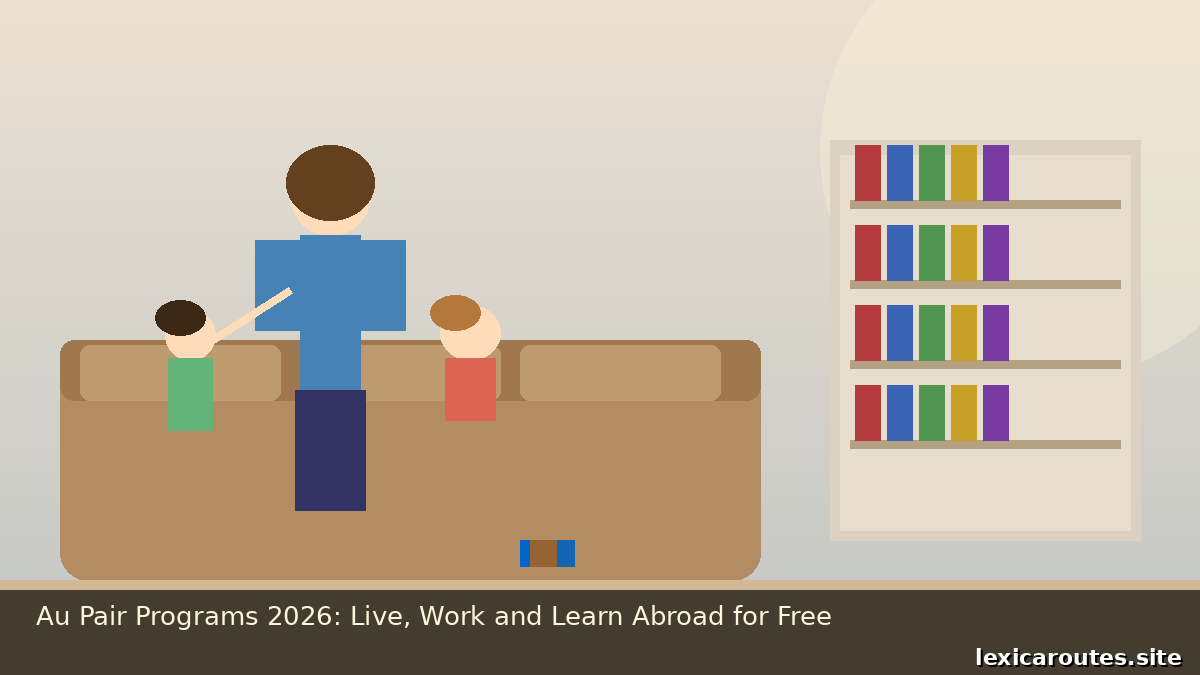
The job description sounds deceptively simple: look after the kids and help around the house. In practice, you’ll work 25 to 35 hours per week, and in return you get pocket money, your own private room, and meals.
A typical weekday covers school drop-offs, afternoon pickups, homework help, and perhaps two evening babysitting shifts per week. Weekends are generally free, and you get two weeks of paid vacation during the year. What surprises most people is how quickly the language clicks when you’re living it daily rather than studying it from a textbook.
Who Qualifies for an Au Pair Program in 2026?
Requirements vary by country, but the core profile is consistent across most destinations. Most programs expect candidates to be between 17 and 30 years old, able to hold a basic conversation in English or the host country’s language, have some experience caring for children, be unmarried and without children of their own, hold a high school diploma, and have a clean health and criminal record.
Step-by-Step: How to Apply for an Au Pair Program
Step 1: Choose Your Country
Your destination shapes everything from visa requirements to pocket money. If you want to learn French, look at France, Belgium, or Switzerland. German? Germany, Austria, or Switzerland. English? Ireland is the only English-speaking EU country since Brexit.
The pocket money in Spain, Italy, Portugal, and Germany sits at the lower end of the European range at around 260 to 280 euros per month, but the cost of living in southern Europe is dramatically lower than in Switzerland or Denmark, so the real purchasing power is comparable or better.
If you’re heading to the United States, the structure is different. The US weekly stipend is the highest by week at around $195.75, but the working hours are also the highest in the world at up to 45 per week.
Step 2: Build a Strong Profile
You can use the AuPair.com platform for free: send messages, browse profiles, and get many other benefits after registration. Other solid options include AuPairWorld, which currently has around 30,000 active au pairs and 12,000 families on its platform, and DearAuPair, which is well-regarded for direct family matching in Europe.
Your profile photo matters more than most applicants realise. Use a natural, smiling outdoor shot, and if you have a photo with a child you’ve cared for (with permission), use it. A short 30-second video introduction also helps families get a feel for you before they message.
Step 3: Reach Out to Families First
Don’t wait to be discovered. Send 10 personalised messages on your first day, mention the children by name, and reference something specific from each family’s profile.
Step 4: Interview and Confirm the Details
Ask about the kids’ routines, your private space, internet access, and how the family spends weekends. These details matter more at week eight than at week one.
Step 5: Sort Your Visa Early
EU citizens can go from acceptance to arrival in three to six weeks with no visa needed. Non-EU citizens face processing times from four weeks (Germany) to four months (USA). Start paperwork early as delays are the most common reason placements fall through.

Common Mistakes First-Time Au Pairs Make
Picking a family based on location alone. A dream city with a difficult family will wreck the experience within two months. Read reviews on matching platforms, video call the family at least twice before accepting, and trust your gut if something feels off during the interview.
Not reading the contract carefully. Your agreement should clearly state your hours, days off, and pocket money. In Germany, the legal limit is 30 hours per week with at least 1.5 free days and four evenings off. If a family’s proposal doesn’t match local legal standards, flag it before you sign.
Underestimating homesickness. The first four to six weeks are often the hardest. Finding a local language class where you can meet other au pairs and scheduling regular calls home makes a real difference.
Au Pair Programs at a Glance: Quick-Reference Table
| Country | Monthly Stipend | Weekly Hours | Visa Needed (non-EU) | Language Bonus |
|---|---|---|---|---|
| Germany | €260-280 | Up to 30 hrs | Yes | Yes (required) |
| France | ~€320 | Up to 30 hrs | Yes | Yes (expected) |
| USA | ~$780 (equiv.) | Up to 45 hrs | Yes (J-1 visa) | $500 edu. stipend |
| Ireland | ~€100-150/wk | Up to 35 hrs | Depends on nationality | English immersion |
| Australia | AUD $200-250/wk | Varies | Working Holiday Visa | No formal requirement |
Bottom line
An au pair program in 2026 is a real commitment, not a travel hack. You show up for a family, build trust over months, and work within someone else’s household rhythms. In return you get free housing, free food, a monthly stipend, language skills, and a launchpad for weekend travel across your host country. The biggest thing to invest time in is picking the right family, not just the right city. The people you come home to each evening matter far more than the skyline outside.
Frequently Asked Questions
Is an au pair program in 2026 actually free?
Your room and all meals are covered by the host family, and you receive a monthly stipend on top of that. You’ll still need to budget for your flight, visa fees, and personal spending, but total costs are far lower than renting abroad independently.
How old do you have to be to become an au pair?
Most countries accept au pairs between 18 and 30, though some cap the upper age at 26 or 27. Always check the specific rules for your target country before applying.
Do I need childcare qualifications to apply for an au pair program?
No formal qualification is needed. Most programs ask for documented childcare experience such as babysitting or tutoring, and strong personal references will help you stand out.
Which countries are best for an au pair program in 2026?
Germany, France, and the Netherlands are consistently popular in Europe for their clear legal protections and language-learning infrastructure. Ireland suits candidates who want English immersion. The USA offers the highest stipend but also the most regulated structure, requiring a J-1 visa through a designated sponsor agency.
How long does an au pair program typically last?
Most placements run for 12 months. Germany does not allow extensions or repeat stays, so choose carefully. In the USA, the J-1 visa can be extended for an additional six or twelve months if both parties agree.
Related Posts
Author: Written by the Lexica Routes editorial team, covering travel, education, and study abroad since 2025.